
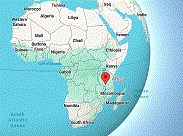
 Misinformation has become a growing challenge for organizations working in the development sector. Across Africa, NGOs deliver programs addressing healthcare, education, climate resilience, humanitarian assistance, and governance. These initiatives often involve complex technical approaches that can be difficult for non-specialists to interpret.
When inaccurate narratives about such programs circulate, they can influence public perception quickly. Communities may question whether interventions are safe or beneficial. Government authorities may request additional explanations. Donors may conduct reputational reviews before continuing support.
In many cases, misinformation spreads unintentionally. Complex development interventions may simply be misunderstood. For example, public health initiatives, climate resilience projects, or governance reforms can appear unfamiliar to communities encountering them for the first time.
Digital communication environments amplify these misunderstandings. Social media platforms allow narratives to spread rapidly, sometimes reaching thousands of people before organizations have an opportunity to clarify facts.
For NGOs operating in complex environments, responding effectively requires preparation. Strategic communication plays a key role in preventing misinformation from gaining traction. When organizations maintain consistent public narratives about their work, stakeholders have reliable sources of information they can consult.
Independent media coverage helps reinforce this credibility. When journalists report on development programs responsibly, they provide third-party validation that internal communications alone cannot achieve.
Community engagement also strengthens resilience against misinformation. Beneficiaries who understand how programs operate are less likely to accept misleading claims.
Transparency further reinforces trust. Organizations that communicate openly about their activities, including challenges encountered during implementation, demonstrate accountability and professionalism.
In today’s interconnected information landscape, misinformation is likely to remain a persistent challenge. Development organizations cannot prevent every inaccurate narrative from appearing.
What they can do is ensure that credible information about their work is accessible and visible.
For NGOs committed to long-term impact, protecting credibility requires thoughtful communication strategies that anticipate misinformation and respond with clarity and transparency.